PRP Injections for Hair Loss: What Happens During Treatment?
PRP injections for hair loss offer a non-surgical, physician-guided option for adults who still have active follicles but are noticing thinning, shedding, or weaker hair density. The treatment uses a small sample of your own blood, concentrates the platelet-rich plasma, and places those growth factors into targeted areas of the scalp.
Ready to understand whether PRP fits your hair loss pattern? Schedule a free consultation with Hair By Robotics for a personalized medical evaluation.
In simple terms, PRP is a regenerative support treatment. It does not replace follicles like a transplant, and it should not be described as a guaranteed cure. For the right candidate, it may help improve the scalp environment around follicles that are miniaturizing but still capable of producing hair.
For patients in Wichita, Kansas City, Overland Park, and surrounding Midwest communities, PRP can be part of a larger plan that may also include maintenance products, low-level laser therapy, or surgical restoration. The right plan depends on diagnosis, donor density, hair loss pattern, health history, and expectations.
What are PRP injections for hair loss?
PRP injections for hair loss are a non-surgical treatment that uses platelet-rich plasma from your own blood to support thinning scalp areas. A clinician draws blood, processes it in a centrifuge, then injects the concentrated plasma where follicles need support.
PRP stands for platelet-rich plasma. Platelets are blood components involved in healing and tissue response. When plasma is concentrated, it contains growth factors that can signal repair activity in the treated tissue. In hair restoration, the goal is to support follicles that are still present but producing thinner, weaker strands.
This distinction matters. PRP does not move hair from one area of the scalp to another. It does not create new follicles in slick bald areas where follicles are no longer active. It is best understood as a support treatment for existing follicles, especially in earlier stages of androgenetic alopecia or diffuse thinning.
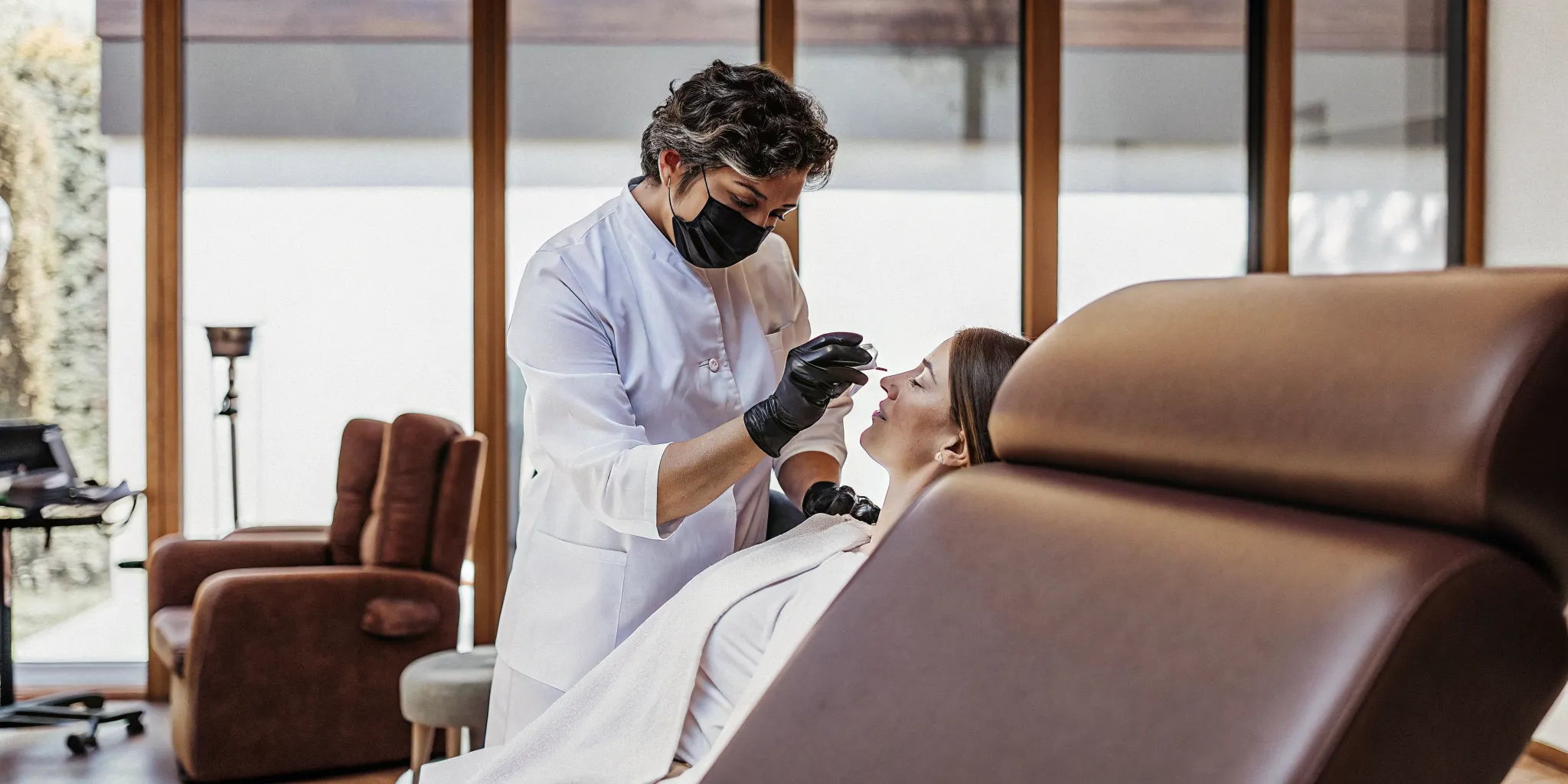
How platelet-rich plasma supports follicles
During treatment, the blood sample is spun to separate platelet-rich plasma from other blood components. The concentrated plasma is then placed into selected scalp areas with a fine needle. This delivers a higher concentration of the patient’s own growth factors near follicles affected by miniaturization.
Clinical research has reported measurable improvements in some patients treated with PRP for androgenetic alopecia. One PubMed-indexed study reported increases in hair count and hair thickness, while still presenting PRP as a viable treatment option rather than a guaranteed result (PubMed).
Where PRP fits in a full restoration plan
At Hair By Robotics, PRP therapy is part of a broader medical hair restoration approach. Some patients consider PRP before they are ready for surgery. Others use it as maintenance alongside hair loss products, low-level laser therapy, or follow-up care after a transplant.
The right use depends on the cause and stage of hair loss. A patient with early diffuse thinning needs a different plan than a patient with long-standing bald areas. A physician-led consultation helps match the treatment to the biology of the hair loss, not just the patient’s preference for a non-surgical option.
What happens before your PRP appointment?
Before PRP, your care team reviews your medical history, medications, hair loss timeline, scalp condition, and goals. This step confirms whether PRP is reasonable and helps build a treatment plan that fits your needs.
A PRP appointment should not begin with injections. It should begin with diagnosis and planning, because the treatment is only useful when the biology of the hair loss supports it. Hair loss can be driven by genetics, hormones, stress, illness, nutritional issues, medications, aging, or more than one factor at the same time.
A careful evaluation reduces the risk of treating the wrong problem. It also helps the physician decide whether PRP should be used alone, paired with maintenance therapy, or replaced by a more appropriate surgical or non-surgical option.
Medical history and safety review
The care team reviews your health history, current medications, bleeding risk, prior hair restoration treatments, and any conditions that may affect healing or platelet quality. Because PRP involves a blood draw and scalp injections, safety screening is an essential part of the process.
This review can include recent shedding changes, family history, prior medication use, scalp sensitivity, autoimmune history, and whether any medical workup is needed before treatment. Those details shape the plan and protect patients from a rushed, one-size-fits-all recommendation.
This review also helps set expectations. PRP may be useful for some patients with thinning hair, but not every person with hair loss is a strong candidate. Hair By Robotics emphasizes physician evaluation and realistic planning before recommending a treatment series.
Scalp and hair loss assessment
Your clinician evaluates the pattern, density, and stage of thinning. They may look for signs of miniaturization, shedding, scalp inflammation, or areas where follicles appear less active. This helps identify where PRP should be placed and whether other treatment options should be discussed.
Placement matters because PRP is targeted, not general. The treatment areas should correspond to follicles that still have realistic potential to respond, which is why scalp mapping and expectation-setting are more valuable than simply asking where the patient feels thinnest.
For example, a patient with early crown thinning may be evaluated differently than a patient with advanced recession or a long-standing bald spot. Women may also experience diffuse thinning patterns that require a careful diagnostic conversation. Hair By Robotics provides resources for female hair loss treatments as part of its broader restoration guidance.
Personalized planning and pricing
PRP is consultation-based from both a treatment and pricing standpoint. The number of sessions, treatment area, and whether PRP should be combined with other services can vary. Hair By Robotics does not need to publish a one-size-fits-all price because medical planning should come first.
During the consultation, patients can discuss treatment options, financing availability, and whether PRP should be used alone or as part of a larger program. The clinic’s primary CTA is a free consultation, which gives patients a low-pressure way to understand their options.
Step by step: what happens during PRP treatment?
During PRP treatment, the team draws blood, processes it to concentrate platelets, prepares the scalp, injects PRP into targeted thinning areas, then gives aftercare instructions. Many appointments are completed in about an hour, although timing can vary.
Knowing the steps can make the treatment feel less intimidating. PRP is minimally invasive, but it is still a medical procedure that should be performed with sterile technique, careful placement, and clear aftercare instructions.
The treatment sequence
- Check-in and review: The team confirms your treatment plan, answers last-minute questions, and reviews any relevant changes in your health history.
- Blood draw: A small blood sample is collected, similar to a routine lab draw.
- Centrifuge processing: The sample is spun to separate platelet-rich plasma from other blood components.
- Scalp preparation: The treatment area is cleaned, and comfort measures may be used based on the plan.
- Targeted injections: PRP is placed into thinning scalp areas with a fine needle, following the pattern identified during the evaluation.
- Aftercare review: You receive instructions for washing, activity, products, and follow-up scheduling.
Comfort during the procedure
Patients may feel pinching, pressure, or brief stinging during scalp injections. Some people describe the sensation as uncomfortable but manageable. Comfort can vary based on scalp sensitivity, the number of injection sites, and the treatment area.
Hair By Robotics frames PRP as a doctor-led, minimally invasive option rather than a casual cosmetic add-on. That clinical approach matters because injection depth, spacing, cleanliness, and patient selection all influence the treatment experience.
Going home after treatment
PRP usually does not require a long recovery period. Many patients return to normal activities quickly, though the scalp may feel tender, tight, or mildly swollen for a short time. Your specific instructions may include avoiding harsh products, vigorous exercise, or certain medications for a brief period.
Always follow the instructions given by your clinician. Your plan may differ based on your scalp condition, medical history, and whether PRP is being combined with other hair restoration services.
What does PRP feel like, and what is recovery like?
PRP can feel like a series of quick pinches or pressure points on the scalp. Recovery is usually brief, with possible redness, tenderness, swelling, or tightness that improves as the scalp settles.
Most patients want two practical answers before treatment: how much it will hurt and how long they will feel it afterward. The honest answer is that PRP is typically tolerable, but it is not sensation-free. A medical team should explain what to expect before the first injection.
Common sensations during treatment
The blood draw is similar to routine lab work. The scalp injections may create pressure, mild burning, or small pinches. Sensitive areas of the scalp can feel more noticeable than others. Your clinician may use cooling, spacing, or other comfort measures based on the treatment plan.
Because PRP uses your own blood-derived plasma, the appointment is usually straightforward from a recovery standpoint. Still, the scalp has many nerve endings, so temporary tenderness is normal.
Short-term recovery
After treatment, some patients notice redness, pinpoint bleeding, mild swelling, or a bruised feeling. These effects are usually temporary. Your care team will tell you when to wash your hair, what products to avoid, and when to resume exercise or styling.
PRP should not be sold as an instant result. Hair growth cycles take time. Patients usually need to wait months before judging changes in shedding, density, or strand thickness. Consistency and follow-up visits are part of the value of a medically guided plan.
How many PRP sessions are usually needed?
Many patients need a series of PRP sessions rather than one appointment. The exact number depends on the stage of hair loss, treatment area, response, and whether maintenance therapy is recommended.
PRP is usually planned as a series because follicles respond gradually. A single session may introduce growth factors to the scalp, but repeated treatments can provide a more consistent support pattern during the early treatment phase.
Why a series may be recommended
Hair follicles move through growth, transition, and resting phases. Because not every follicle is in the same phase at the same time, a series can help support the scalp over a longer window. Your physician may adjust the plan based on visible response and tolerance.
Research on PRP protocols varies, which is one reason a consultation is important. The number of sessions should not be copied from a generic internet recommendation. It should be based on your diagnosis, goals, and clinical response.
Maintenance and combination therapy
Hair loss is often ongoing. If the underlying pattern continues, patients may need maintenance visits or supporting therapies. Some people use PRP with low-level laser therapy, prescribed or recommended hair products, or post-transplant maintenance.
This is where Hair By Robotics’ broader service menu becomes useful. Patients can compare PRP with low-level laser therapy, hair loss products, ARTAS robotic FUE, FUT, or other options during a physician-led consultation.
If you are comparing PRP with other treatments, schedule a free consultation to review your hair loss stage and treatment goals.
Is PRP the right option compared with other hair restoration treatments?
PRP may be right for early thinning or maintenance, while transplant options may be better for areas where follicles are no longer active. The best choice depends on medical evaluation and realistic expectations.
PRP is one option in a broader restoration toolbox. Its strength is that it is non-surgical and works with existing follicles. Its limitation is that it cannot replace follicles that are gone. Understanding that tradeoff helps patients avoid disappointment and choose a plan that matches their stage of hair loss.
PRP compared with laser therapy and products
PRP delivers concentrated growth factors through injections. Low-level laser therapy uses light-based stimulation. Maintenance products may support scalp and follicle health over time. These options can be complementary, but each has different expectations, costs, and commitment levels.
Patients with early thinning may be advised to start with non-surgical support. Patients with more advanced loss may need to discuss surgical restoration or combination care. The purpose of a consultation is to match the tool to the problem.
PRP compared with robotic FUE surgery
ARTAS robotic FUE is designed to transplant follicles from a donor area to thinning or bald areas. PRP does not transplant follicles. Instead, it supports follicles that are already present. That makes PRP and robotic FUE fundamentally different, even though both may appear in the same restoration plan.
| Treatment | Primary role | Best fit | Key limitation |
|---|---|---|---|
| PRP therapy. | Supports active thinning follicles. | Early thinning or maintenance. | Does not create new follicles. |
| Low-level laser therapy. | Supports follicle activity with light. | Non-surgical maintenance. | Requires ongoing use. |
| ARTAS robotic FUE. | Moves follicles to thinning areas. | Moderate to advanced pattern loss. | Requires donor hair and procedure planning. |
| FUT transplant. | Moves a strip of donor follicles. | Selected surgical candidates. | Leaves a linear donor-site scar. |
Hair By Robotics is known for physician-led hair restoration and ARTAS robotic technology, but the clinic also offers non-surgical options for patients who are not ready for a transplant. That range helps patients make a stepwise decision instead of jumping straight to the most intensive option.
Who is a good candidate for PRP hair injections?
A good PRP candidate usually has active follicles, early to moderate thinning, realistic expectations, and a health history that supports safe treatment. A physician must confirm candidacy before treatment.
PRP is most compelling when the scalp still has follicles worth supporting. If hair is thinning, miniaturizing, or shedding but not completely absent, PRP may be part of the discussion. If an area has been bald for a long time, transplant options may be more appropriate.
Clinical factors that affect candidacy
A physician may consider hair loss pattern, donor density, scalp health, medical history, medications, platelet quality, age, expectations, and prior treatments. The goal is to determine whether PRP is likely to help and whether it can be performed safely.
Patients should also understand that PRP is not a universal solution. It may improve thickness or shedding for some people, while others may need a different treatment path. Hair By Robotics’ medical evaluation helps prevent overpromising and keeps the plan grounded in what the scalp can realistically support.
When another option may be better
If follicles are no longer active, PRP cannot make them reappear. If hair loss is advanced, surgical restoration may provide a better pathway. If thinning is related to an untreated medical issue, that issue may need attention before cosmetic improvement is possible.
Good candidates are also comfortable with a gradual process. PRP results are assessed over months, not days. Patients who want immediate density may need to discuss transplant planning or other strategies.
Frequently Asked Questions
Do PRP injections for hair loss actually regrow hair?
PRP may help improve hair count, thickness, or shedding in some patients whose follicles are still active. It should not be presented as a guaranteed regrowth treatment. A physician can explain whether your scalp has the kind of thinning that PRP is designed to support.
How much does PRP cost for hair loss?
PRP cost depends on your treatment area, number of sessions, and whether it is paired with other therapies. Hair By Robotics uses consultation-based pricing instead of a fixed public price. During a free consultation, the team can review your plan and discuss financing options such as CareCredit and Cherry.
When is it too late for PRP for hair loss?
PRP is usually less useful when an area has been bald for a long time and follicles are no longer active. It is often better suited to early thinning or maintenance. If PRP is not the best fit, a physician may discuss ARTAS robotic FUE, FUT, scalp micropigmentation, laser therapy, or another option.
Who is a good candidate for PRP hair injections?
Good candidates often have early thinning, active follicles, realistic expectations, and no medical issue that would make the procedure inappropriate. Suitability depends on physician evaluation, not just the desire for a non-surgical treatment.
Ready to schedule a free consultation?
If you are researching prp injections for hair loss, the next step is not guessing from photos or pricing pages. It is a personalized medical evaluation. Hair By Robotics can review your hair loss pattern, explain whether PRP is a reasonable option, and compare it with the clinic’s surgical and non-surgical hair restoration services.
Contact the Hair By Robotics team to schedule your free consultation and get a treatment plan built around your scalp, goals, and expectations.
